The 12 sqm HDB master bedroom leaves about 60cm clearance between wardrobe and bed — just enough to open drawers without bruising knees. That’s why most BTO owners cap shelving depth at 40cm; any deeper and you’ll be sidestepping past it like a MRT commuter squeezing through peak-hour crowds. Built-in wardrobes eat another 15-20cm from the wall, leaving space for only the slimmest Scandinavian-style shelves — think IKEA’s 30cm deep LACK series or the 35cm deep HEMNES bookcase, stained in ash veneer to match rubberwood bed frames.
Measure twice, buy once. Standard BTO walls run 2.4m floor-to-ceiling, but check for service ducts or window ledges that might shave off 10-15cm vertically. A common workaround: floating shelves above the 2.1m wardrobe height, where 20cm deep oak or beech units won’t disrupt sightlines. Local retailers like FortyTwo and Commune stock modular systems that can be mixed — 60cm wide for above-bed nooks, 80cm for flanking study desks — though anything wider risks overwhelming the room.
The maths is unforgiving. In a room where every centimetre counts, open shelving becomes more display than storage; that’s why you’ll see so many Tampines and Bedok flats styling them with single rows of books and minimalist ceramics rather than stacked baskets. Warm white LED strip lighting underneath helps, tricking the eye into perceiving depth where there isn’t any.
Rubberwood beats pine for narrow shelves — it won’t bow under the weight of hardcovers over time. And skip the clichéd hygge candles; in Singapore’s humidity, they’ll just gather dust next to your Dyson fan.
The warped oak shelf in your bathroom tells the whole story — solid wood bows at 80% RH like clockwork. Singapore homeowners learn this the hard way when their Scandinavian-style floating shelves develop gaps wide enough to lose hair ties behind. Treated plywood holds up better, though the edges still need sealing; powder-coated steel shelves from FortyTwo’s industrial line survive years of steamy showers without complaint. MDF belongs nowhere near wet zones — that IKEA Billy bookcase will swell at the base within six months if placed opposite your shower. Even in dry rooms, opt for rubberwood over pine; the latter develops sticky sap leaks in our humidity. Commune’s teak veneer collections handle moisture well, though the price jumps 40% compared to their oak counterparts. Local showrooms push “water-resistant” laminates, but check the small print — most only guarantee against spills, not ambient humidity. For truly damp spaces like balcony storage, consider marine-grade plywood or aluminium extrusion systems from niche suppliers like Scene Shang. Their powder-coated frames outlast everything else, though you’ll sacrifice that light wood aesthetic. The real test comes during February’s monsoon surges, when even well-sealed joints betray faint mustiness. That’s when you’ll notice the difference between bargain hardware and stainless steel drawer slides from
Megafurniture’s higher-end lines. Rust never sleeps in our climate.
Megafurniture's Joo Seng showroom displays warped particleboard samples beside treated alternatives — a visual lesson in Singapore's 80% average humidity. Staff encourage bringing personal hygrometers to verify their climate-controlled claims, especially for untreated pine or rubberwood shelves. Warping typically appears within three monsoon seasons if protective coatings aren't reapplied annually. Their treated samples use moisture-resistant laminates that add $120–$300 to base prices but prevent the bowing common in HDB flats near MRT tunnels. One display cabinet door sticks deliberately to demonstrate how untreated wood expands.
Side-by-side samples show matte polyurethane versus oil-based finishes on identical oak shelving units. The oil finish develops patina faster but requires quarterly conditioning to prevent moisture absorption along grain lines. Polyurethane resists coffee rings and sticky toddler fingers better, though touch-ups reveal obvious brush strokes. Mid-range buyers often compromise with wax-treated ash — cheaper than oak but more stable than pine. Showroom lighting highlights how oil darkens wood tones over time while polyurethane yellows.
Engineers stack concrete blocks on display shelves to simulate decade-long book loads, revealing which joints creak first. Their stress tests prove cheaper cam-lock assemblies fail at 18kg where dowel-and-glue holds 32kg — critical for encyclopedias or vinyl collections. One technician demonstrates proper wall anchoring by hanging from a floating shelf bracket. They keep a shattered tempered glass shelf as a warning against overloading cantilevered designs. Most customers underestimate how much weight Ikea-style particleboard actually bears.
The back wall displays twelve types of shelf supports from basic L-brackets to invisible floating rods. Brass variants cost triple steel but won't stain teak veneers with rust streaks in coastal areas like Pasir Ris. Staff emphasize matching screw lengths to HDB concrete walls — standard 30mm anchors fail where 50mm ones hold. One demo unit shows how mismatched drawer slides cause misalignment when humidity shifts. Their premium soft-close hinges get tested with 10,000 open-close cycles using a robotic arm.
A half-built Kallax knockoff highlights common DIY mistakes — cross-threaded cam locks, backwards panels, and over-tightened dowels splitting MDF. Technicians demonstrate proper Allen key torque using click-type torque wrenches rarely included in flat packs. Their worst-case scenario display shows a collapsed shelving unit from reused Ikea hardware in non-Ikea frames. They recommend Megafurniture's assembly service for units wider than 1.8m where bedroom doorframes complicate maneuvering. The takeaway? Particleboard cracks when forced — unlike solid wood that merely swells.
Opt for light wood tones or white-painted shelves to create an airy foundation. Layer in soft textiles like woven baskets or linen storage boxes for texture. Keep the overall palette muted with occasional earthy accents like terracotta pots or dried grasses.
Incorporate curved-edge shelving or handmade ceramic vases to soften the aesthetic. Add rattan trays or wooden bowls to hold small decor items naturally. Avoid harsh lines—choose rounded bookends or driftwood pieces for balance.
Style shelves with intentional gaps to avoid clutter, focusing on a few meaningful objects. Use flickering LED candles or a single trailing plant for warmth. Mix practical items like stacked books with tactile elements like a chunky knit throw folded neatly.
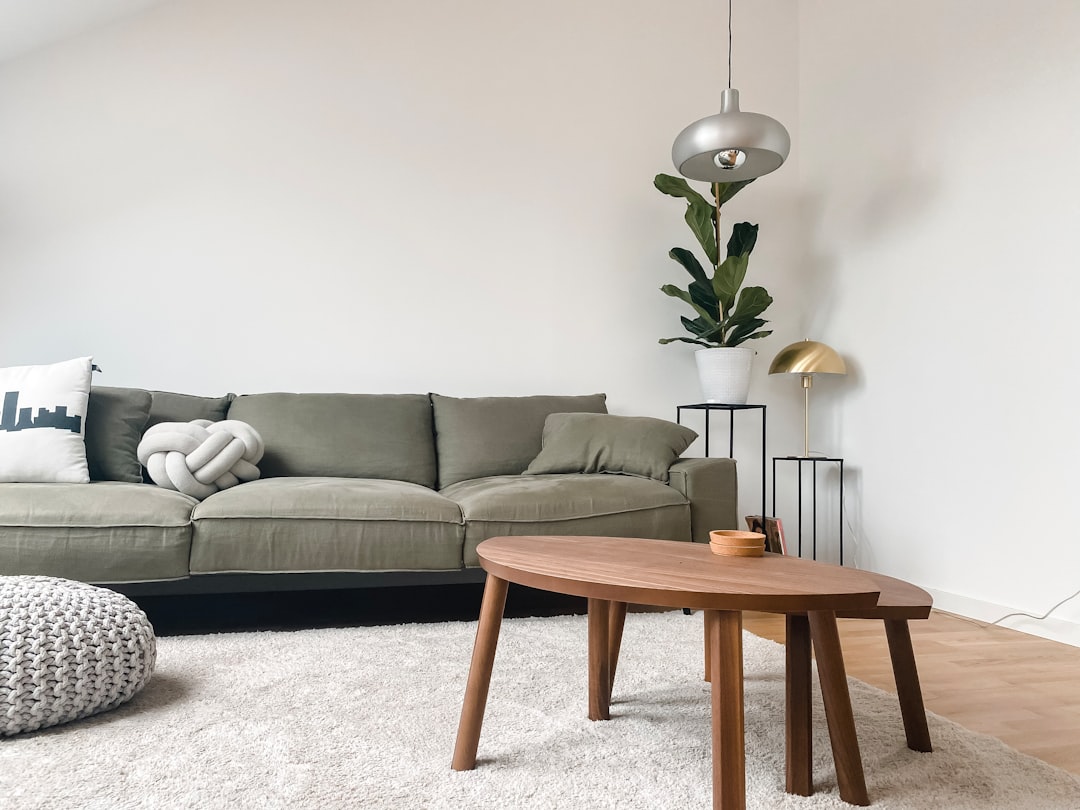
A cat’s vertical reach turns even the most minimalist Scandinavian shelving unit into a potential hazard—especially in Singapore’s compact homes where floor space is scarce and upward storage is non-negotiable. That sleek IKEA Billy bookcase might look pristine with its ash veneer and muted sage-green ceramics, but unless the top shelves are secured with museum gel, you’ll find your curated hygge vignette scattered by dawn.
Compromise is key. Open shelving in Scandinavian designs often prioritises aesthetics over pet-proofing, but a few adjustments keep both intact. Reserve the bottom two tiers for woven baskets (dog beds, scratching posts) or rubberwood trays that won’t shatter. Higher shelves can still showcase those Ferm Living vases—just anchor them with clear adhesive putty.
The real challenge comes during festive seasons, when even the most disciplined pets turn curious. That carefully styled Advent calendar? Suddenly a dangling temptation.
Tail clearance matters just as much for dog owners. In landed properties where pets roam freely, breakables belong above the 60cm mark—roughly where a golden retriever’s wagging tail peaks. Mid-century teak sideboards from Commune or FortyTwo work well here; their lower drawers handle pet toys while display shelves stay safely out of range.
Oddly enough, cats rarely bother with shelves cluttered by books. A tightly packed row of Kinfolk volumes or Monocle bindings acts as a natural deterrent, leaving the occasional gap for that hand-thrown mug from Tiong Bahru’s weekend market. Dogs, meanwhile, care less about ceramics than the scent of treats—keep the kibble stash far from your String System shelves.
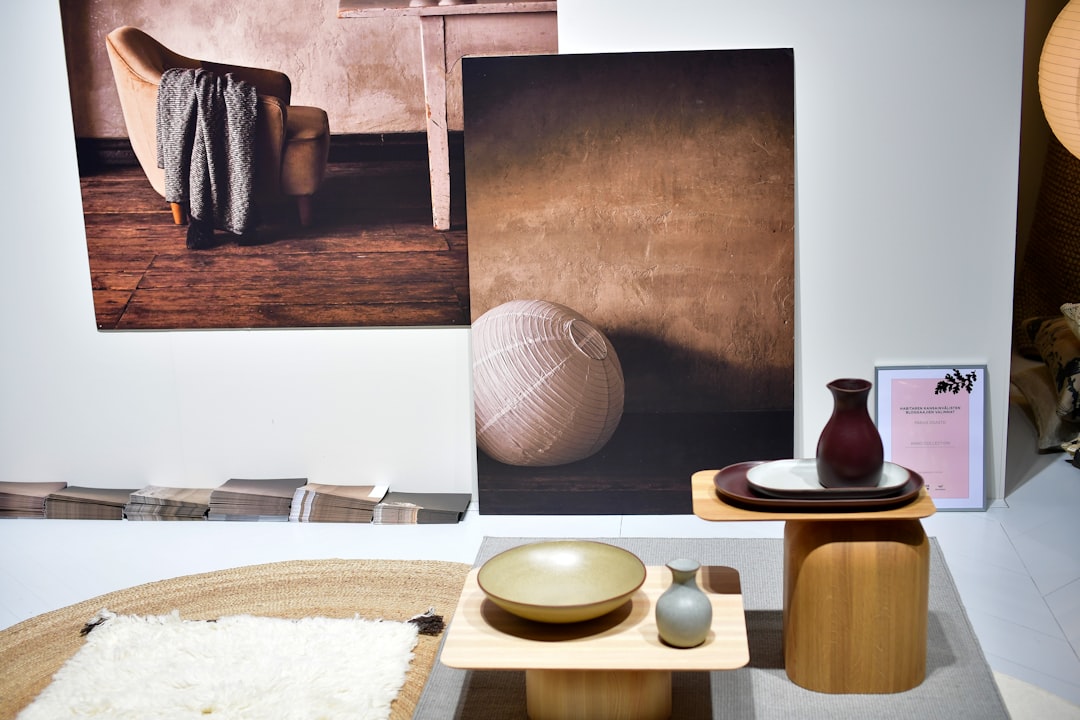
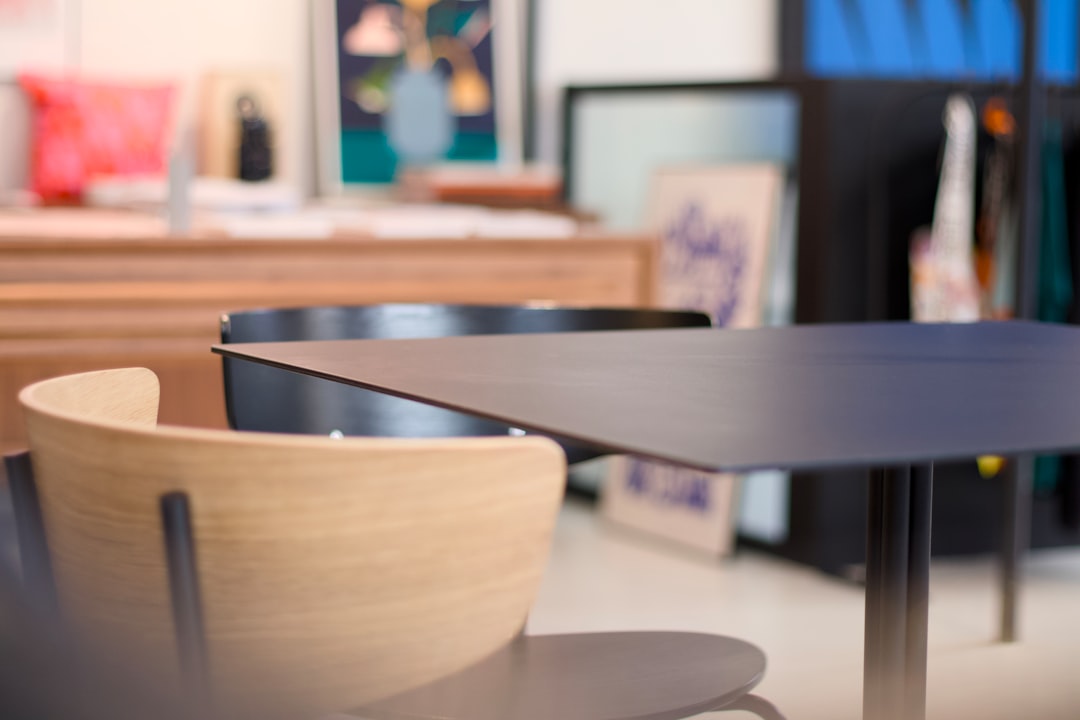
Ground-floor HDB units in Ang Mo Kio have seen a spike in balcony thefts—three times the incidents reported in Punggol—making lockable display cabinets a practical, if not essential, addition. Residents often leave decorative items like potted plants, lanterns, or small sculptures exposed, especially in Scandinavian-style setups that favour open shelving. A simple oak cabinet with frosted glass doors, like those from IKEA or Castlery, can blend seamlessly into the aesthetic while keeping valuables secure.
In condos, theft risks shift focus to interior spaces, particularly for wall-mounted shelving units or bookcases. Management typically requires approval for installations, citing structural integrity concerns—though this also deters opportunistic thefts. It’s worth noting that a well-organised shelf, styled with neutral-toned decor and functional minimalism, can still feel inviting without compromising security. Opting for modular designs, such as those from Commune or FortyTwo, allows homeowners to adapt layouts without permanent fixtures.
Balcony thefts aren’t just about stolen goods; they disrupt the hygge vibe many Singaporean homeowners aim for. A stolen lantern or plant can leave a space feeling incomplete, forcing residents to rethink their decor strategy. Lockable cabinets, while utilitarian, offer peace of mind—especially in neighbourhoods like Ang Mo Kio where ground-floor units are more vulnerable.
For those in condos, the approval process for wall mounts can be a hassle, but it’s a necessary step to ensure both safety and compliance. Modular shelving units, often made from light-toned woods like ash or beech, provide flexibility without the need for permanent alterations. Scandinavian designs, with their clean lines and muted palettes, fit naturally into Singapore’s urban homes—though security considerations shouldn’t be overlooked.
" width="100%" height="480">How to style open shelves with decor for a hygge vibeThe delivery crew will curse under their breath when they see your Queenstown flat’s stairwell — those 1980s corridors were built for narrower loads than today’s flat-pack furniture. A standard IKEA PAX wardrobe box measures 2.4m tall; that’s 30cm too tall for most BTO lift ceilings, forcing awkward vertical manoeuvres that add $80–$120 to delivery fees. Older estates like Tiong Bahru or Redhill often have tighter turns than newer developments — measure your service lift’s diagonal clearance before committing to a solid wood bookcase from Commune or Castlery.
Scandinavian shelving units tend to ship flat-packed, but their longest panels often exceed 2.1m. FortyTwo’s Oslo series comes in 2.35m lengths that won’t clear HDB lift doors without tilting at precarious angles; better to opt for their modular Fjord system that breaks down into 1.8m sections. Contractors know this drill — they’ll typically charge $150–$300 extra for stairwell carries in walk-up apartments, though some refuse outright if the item weighs over 90kg.
Measure twice, pay once. That sleek oak shelving unit from HipVan might look perfect in your Sengkang BTO’s 3.6m-high living room, but check if the building’s service lift can handle its packaging dimensions. Most condos in Tanah Merah or Bedok have generous loading bays, but their underground carparks often have 2m clearance — delivery trucks with roof racks get turned away more often than you’d think.
Singapore’s older neighbourhoods reveal their quirks through furniture logistics. A Tampines HDB might accept a Cellini console table delivery without fuss, while the same item headed to a Chinatown shophouse conversion requires four porters and a pulley system. Some retailers now offer laser measurement services for $50, though it’s only worth it for custom pieces — for standard Scandinavian shelving, just grab a tape measure and check the stairwell’s tightest corner before confirming your order.
The real test comes when the delivery team arrives with your new Scandinavian unit and realises the lift can’t accommodate it. That’s when you’ll see true problem-solving skills — or, in some cases, hear creative excuses about why the crew suddenly remembers another appointment across town.

Evaluating the environmental impact of your shelving unit purchase
In Singapore’s humidity, warping claims are a common headache for owners of Scandinavian shelving units. Light-toned oak and ash, staples of the aesthetic, swell and contract with moisture — a reality that warranties often exclude. Buyers assume kiln-drying at home could solve the issue, but it’s not as simple as leaving wood in the sun.
Can warranties cover humidity damage? Typically, no. Most manufacturers list humidity as external wear, shifting blame to Singapore’s climate rather than product quality. It’s worth checking the fine print before purchase — especially for open shelving exposed to aircon vents or windows.
Is DIY kiln-drying an option? Not without industrial equipment. Tuas factories handle the process at scale, using precise temperatures and humidity controls to stabilise wood. Attempting it at home risks cracking or uneven drying, which defeats the purpose.
For those set on Scandinavian shelving, placement matters. Avoid direct sunlight and damp corners — common in HDB flats — and consider dehumidifiers if the budget allows. It’s a balancing act: keeping the hygge vibe alive without letting humidity ruin it.